85% coca, but how ethical is it ?

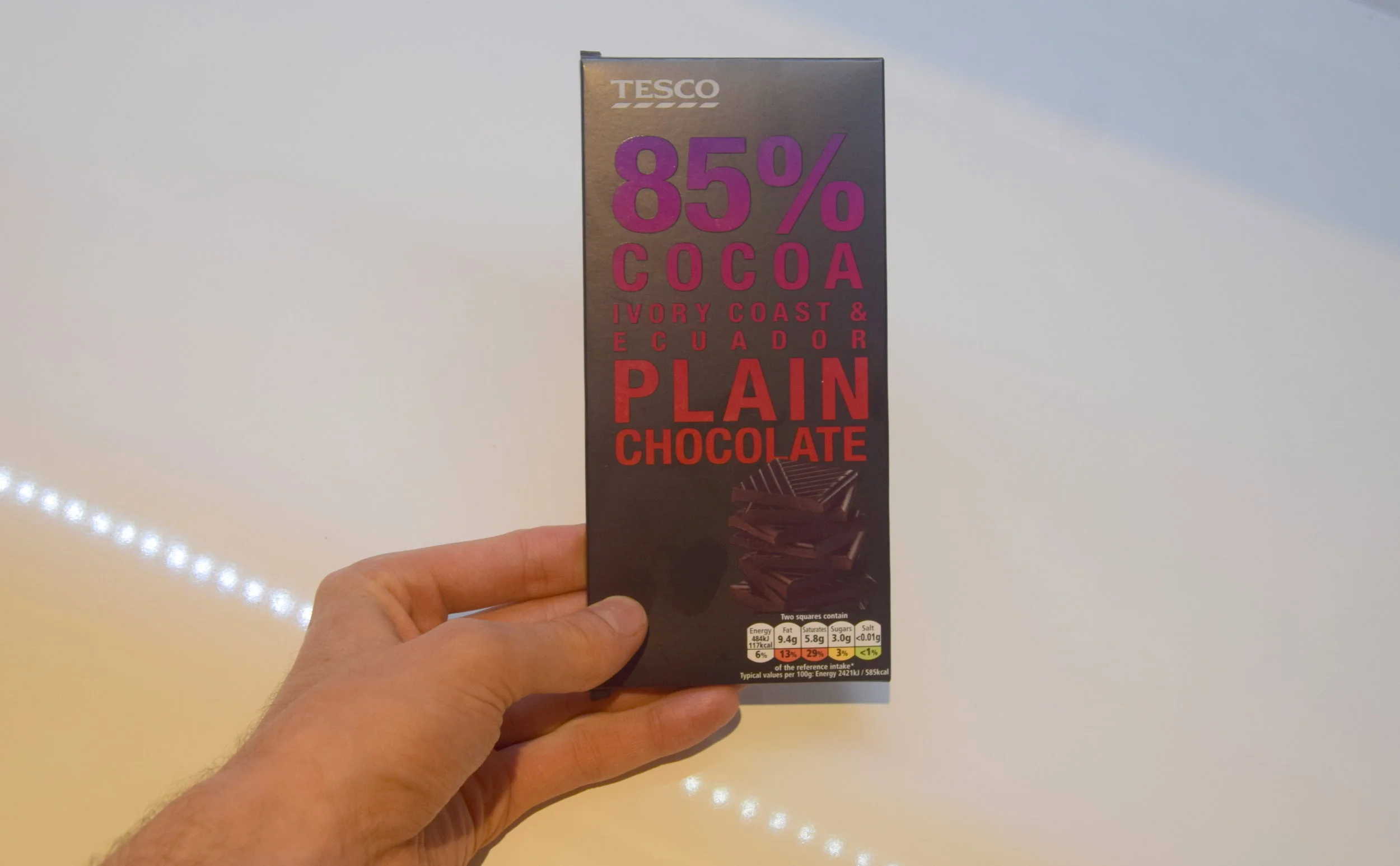
I wonder where the chocolate I have been using for my design comes from.  The packaging says Ivory coast and Ecuador, but this doesn't tell me much.  

I watched a documentary about child smuggling and slavery in the Ivory Coast coca industry and found this shocking and upsetting.  ( https://www.youtube.com/watch?v=7Vfbv6hNeng )

I discovered that the ivory coast produces 30% of the worlds coca and coca is responsible for almost 2/3 rds of the countries trade revenue. Coca is clearly an important comodity.

The fact that it is made into something so sweet is ironic, I would like to use this tension in my project.  


Explaining ideas quickly with diagrams and rough sketches

very rough diagram- but it works well enough

very rough diagram- but it works well enough

In a studio context it is often important to be able to explain ideas quickly or help someone else clarify their goals.  When Jin Sung came to me and asked about where he could go for his project, he explained his interests and I made some suggestions, pulling out different aspects of the project and suggesting some potential areas for explanation with a simple diagram.  I drew as I spoke and Jin drew an association in his mind between what I was saying and the diagram. The drawing acted as a visual cue to help him in progressing with his project. 

Alternatives to Silicone

Over the past few days I have been working with both Silicone and Chocolate, and I wonder what effect using these materials like food safe silicone might have on the environment.

Is it possible to use alternative more sustainable materials to make a chocolate mould instead of using new silicone ?

What about old Milk bottle tops ?

Setting myself a challange

Clear aims

Clear aims

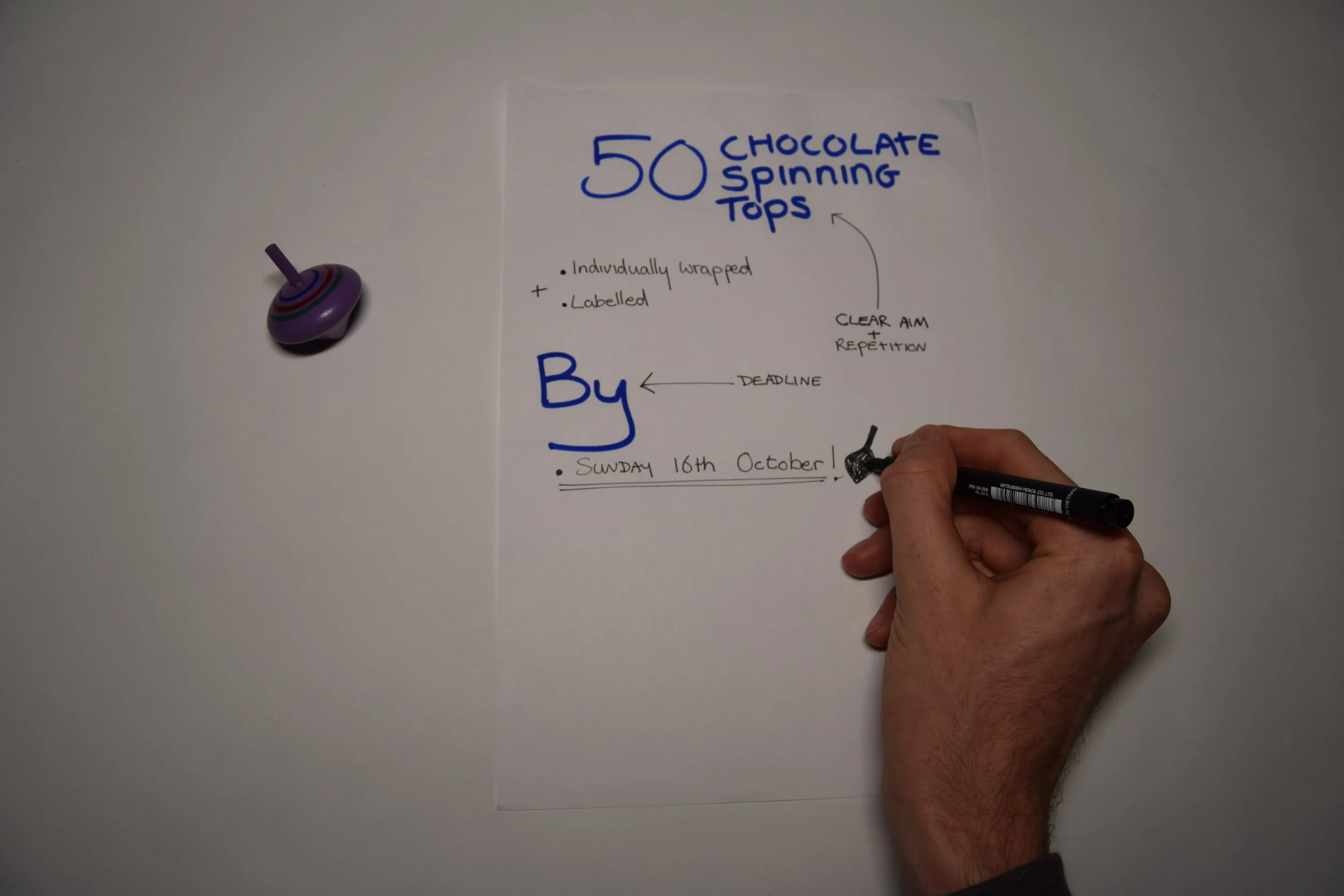
I want to get children to play with my chocolate spinning tops as soon as possible so that I can gather feedback and improve on my design.

So I plan to make 50 of them individually wrapped and labelled by Sunday 16th October, ready to hand out to tutors with children on Monday.  Hopefully setting a clear aim will allow me to experience flow too. 

Psychologist and author of 'The psychology of flow' Mihály Csíkszentmihályi, talks in his book about the importance of having clear goals for experiencing flow (the state of consciousness where time seems to disappear and one is lost in the challenges and rewards of an activity for its own sake). 

I would like to give people the tools to record their own experiences. This is a research method known as cultural probes. 

Silicone Failure

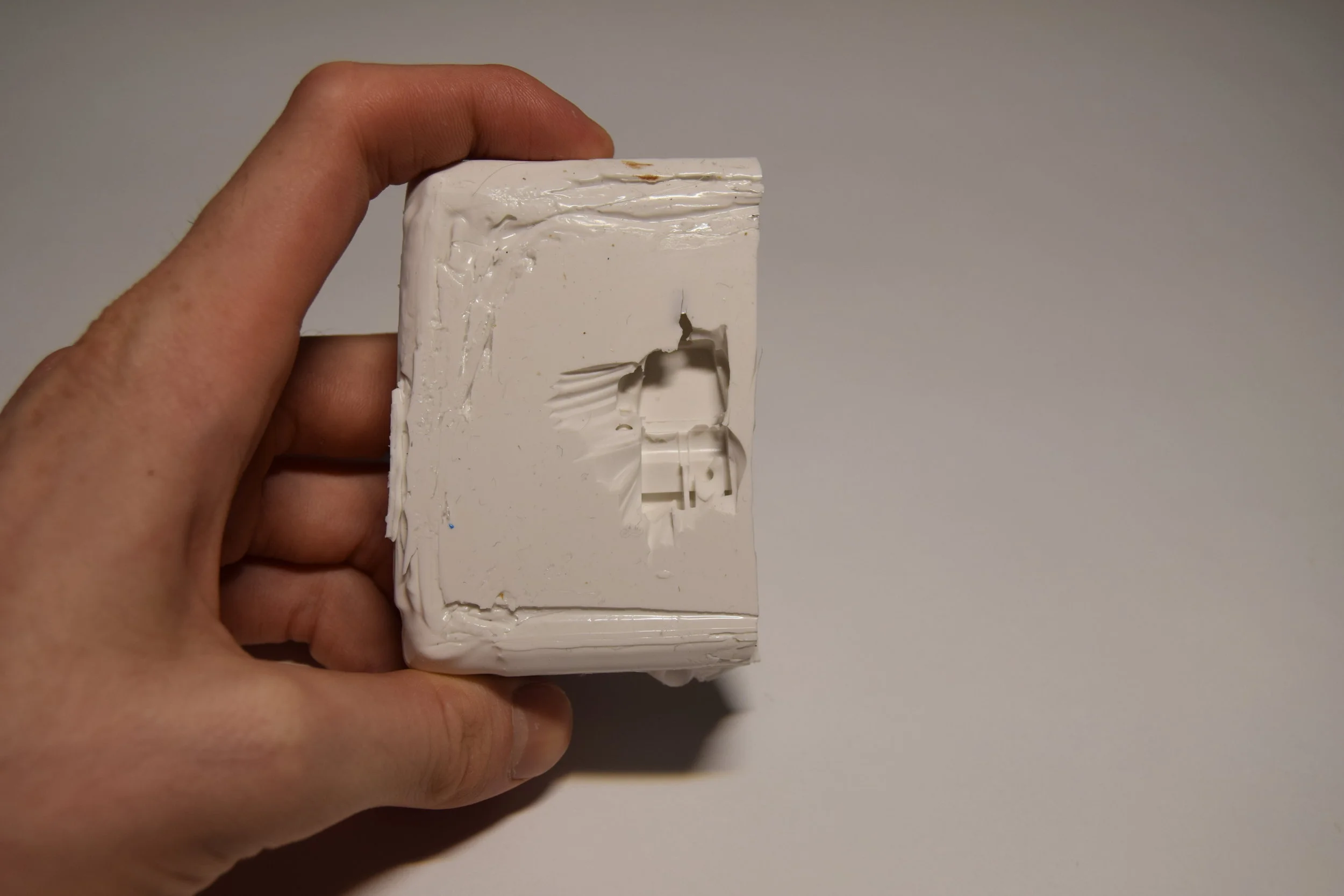
I attempted to cast a lego mini figure in silicone, but I broke the mould trying to get him out.   This is because there were many undercuts and for a complex shape, a two part mould is necessary. I would like to learn how to make a silicon two part mould.  What a waste of material.

Two part Mould

Making a box

Making a box

Two part mould

Two part mould

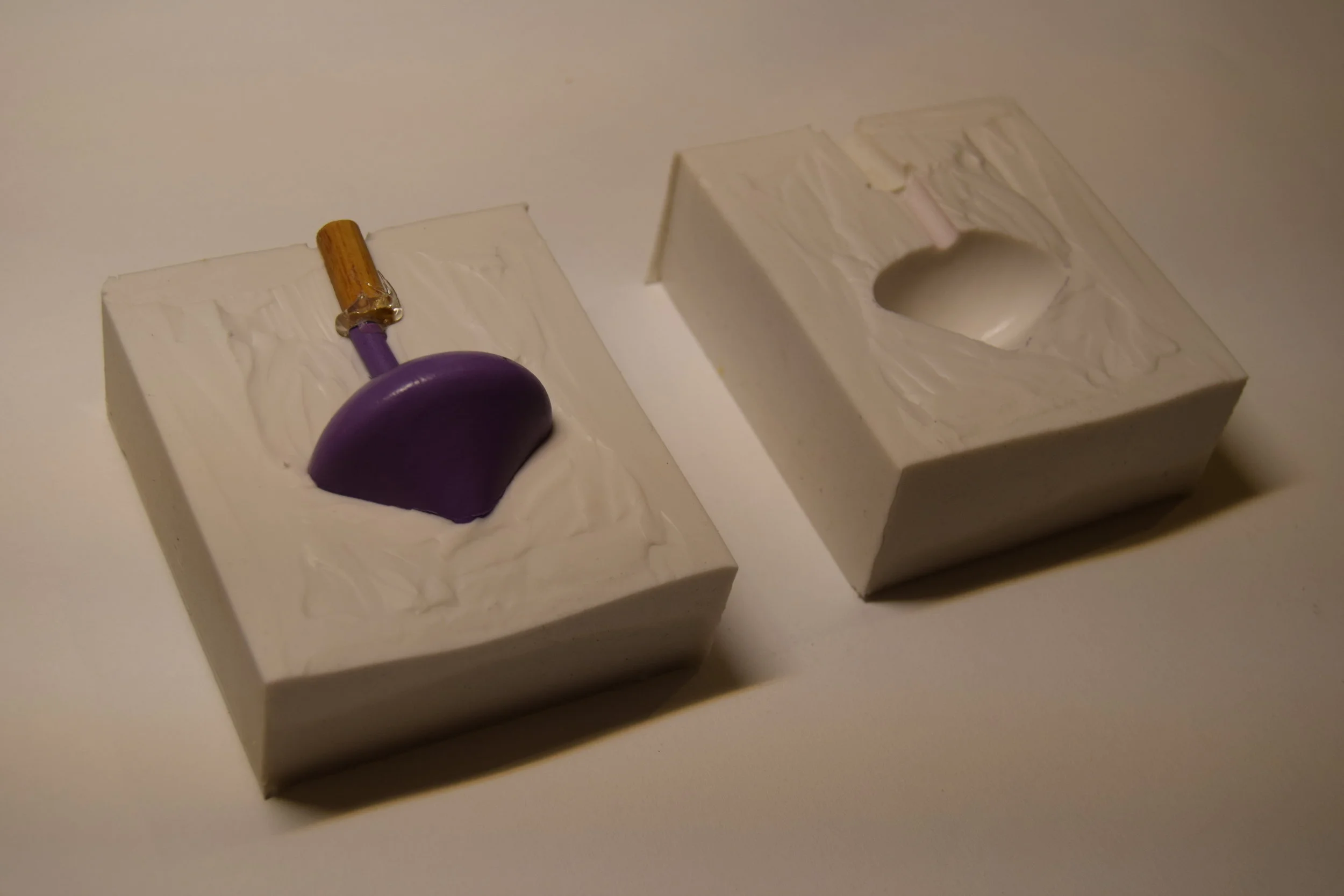
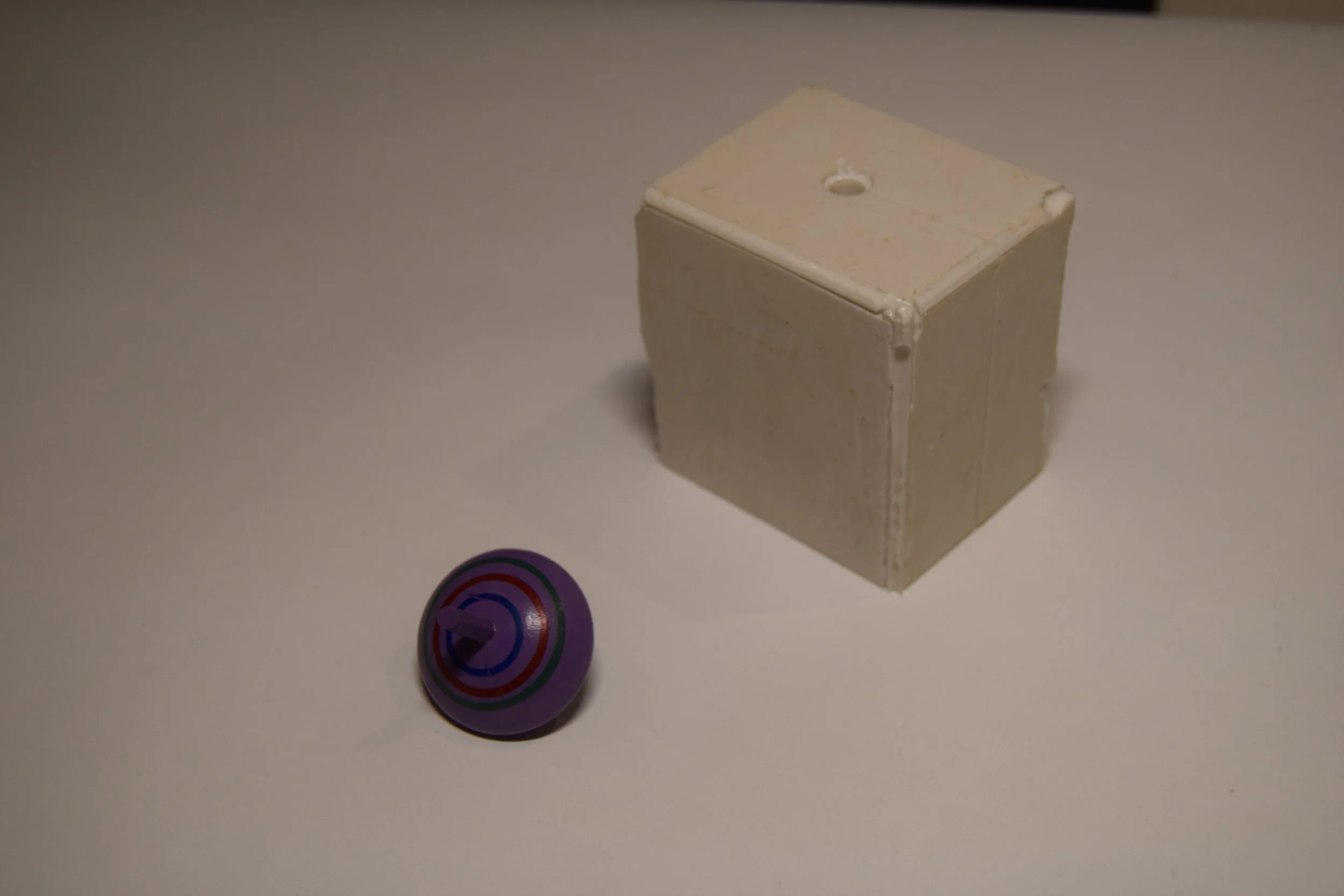
To further explore the tension between playing and eating I have made this  spinning top mould in food safe silicone.  My plan is to make 50 chocolate spinning tops, individually wrapped and then hand them out to children and get them (the parents) to record the results. I am interested to see how the children will interact with these objects and whether they will play with or eat them.  

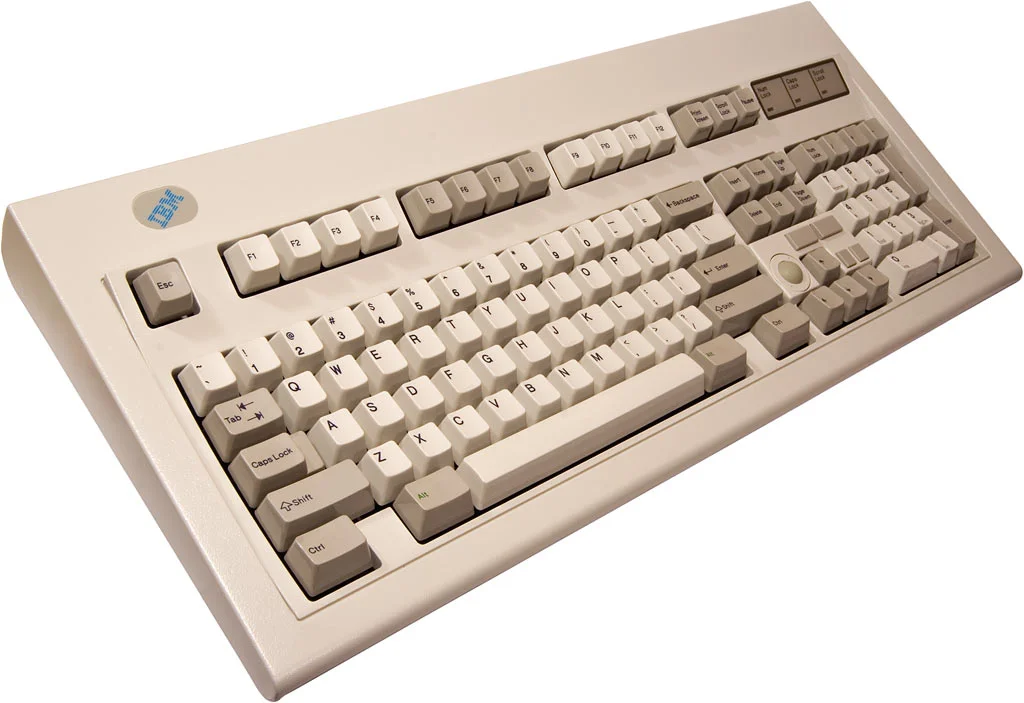
Chocolate keyboard

IBM KEYBOARD - http://www.dansdata.com/images/clicky/ballboard1024.jpg

IBM KEYBOARD - http://www.dansdata.com/images/clicky/ballboard1024.jpg

I like the idea of a chocolate keyboard that melts as you type.  Each key would have to be cast individually and would take lots of silicone and lots of work.  Also it would not last very long.  But maybe it will reveal something about which keys people use most depending on which keys melt first.  

As the keys start to melt one cannot type using those letters, so one is limited to specific characters and a limited use of language.  

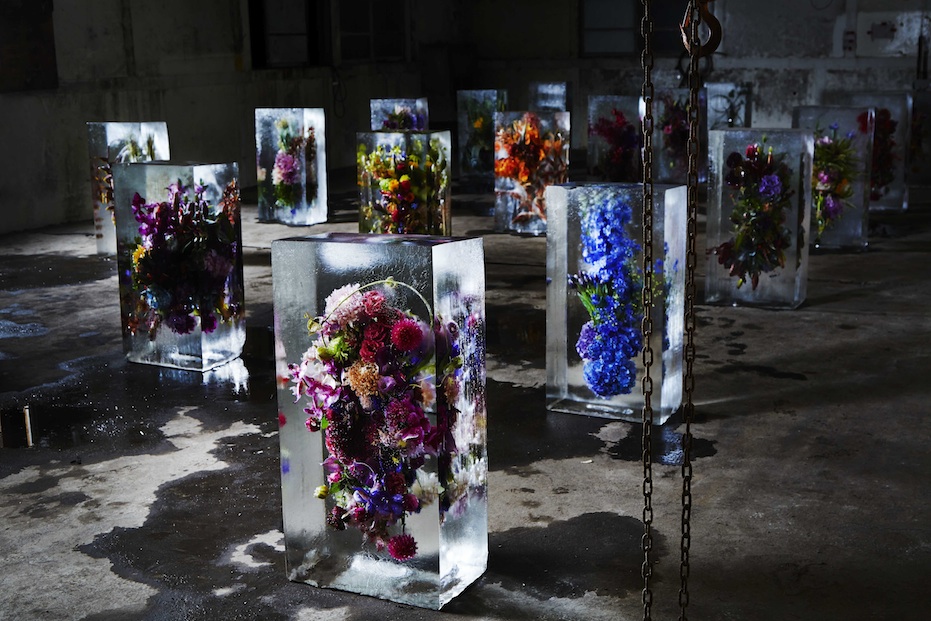
Azuma Makoto

http://azumamakoto.com/?p=6265

http://azumamakoto.com/?p=6265

This exhibition lasts as long as the ice takes to melt.  The ice preserves the plants. Changes over time and temperature mean that after a time all that is left is a sodden mess.   Stunningly beautiful, poetic and ephemeral.


Logo designs

I designed a logo for a speculative service for parents to discipline their children with. 

I can very clearly imagine this service being used as a threat by parents with naughty children.  

In creating this I am faced with an ethical dilemma.  Is it right to take away a childs toy if they are naughty ?

Mock Newspaper Article

I changed the code of a newspaper article on the BBC to fit a completely different purpose.

I was fascinated by how my chosen subject became re contextualised very easily and highlighted many opportunities and potential avenues for further exploration. 


I edited this article by changing the web page source code as shown in the video opposite.  

I would like to do this again and see what else comes out.  

This is a relatively simple act, and lead to the realisation that words can be twisted very easily.  

With a dimension of reality, the fictional element on top makes for a scary alternative 

Too much waste

http://senseable.mit.edu/trashtrack/

http://senseable.mit.edu/trashtrack/

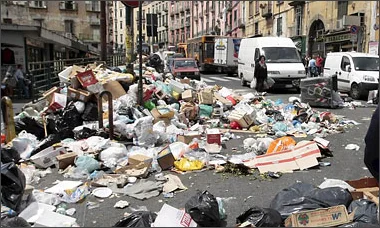
When an object or piece of packaging or a disposable product reaches the end of it's life it is thrown away.  

Most of this Rubbish will end up in a landfill, some is recycled.

For most people when the council takes away their bin bags, the narrative of where this rubbish,  goes stops there.

There is an invisible network of recycling centres, tips, landfill sights and waste disposal companies.  

I would like to track a piece of rubbish to see where it goes and start to reveal this hidden narrative.  

I would like for everyone to be more aware of where their rubbish goes so that they think twice about what they throw away and what they might want to keep.   

Similar ideas have been explored by MIT, but maybe I can weave in another one of my interests to make my project a bit more me and a but less MIT.


Too much stuff ?

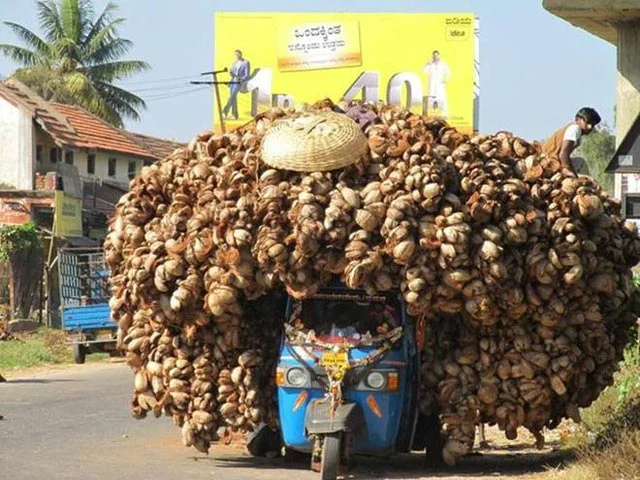
http://www.wackyy.net/wp-content/uploads/funny-overloaded-rickshaw.jpg

http://www.wackyy.net/wp-content/uploads/funny-overloaded-rickshaw.jpg

I sometimes see these images online of dangerously overloaded rickshaws. These images are not funny to me 

I think of two things then I see these photos:  

A sense of dread at the accident waiting to happen and awe at these peoples creative ability to carry lots of stuff.  Needs must I suppose.

I wonder what Is being done and what could be done to improve the safety of these drivers who need to carry all this stuff to make a living. 

I am sure that carrying things is a practical problem faced by many people in many contexts all over the world.

I hate when people take un nessecary risks putting themselves and others in danger.

Can design carry the load  ?


Dave Hakkens

https://davehakkens.nl/storyhopper/tweak-a-chair/

https://davehakkens.nl/storyhopper/tweak-a-chair/

Dave Hakkens is a designer with style.  I am a big fan of his video making and ability to tell a story.  I also love that his projects are grounded in making and his view of his work is informed by an in depth understanding of the context in which his project lies.  

It is clear that Dave is willing to give things a go.  Dave shares his ideas and stories on Story Hopper, in which he shares what he has been making and thinking about.  He is not precious about his ideas and shares with a larger community of people who follow his blog.

Dave's Precious plastic project is available as a free download and is based on the universal plumbing system, so can be made by anyone with access to a workshop in any part of the world with a workshop. i.e Dave understands the importance of using and taking into account existing systems.

Dave proves that an idea does not have to be complex to create a large impact.  

Dave also has a very simple way of presenting his experiments which tie everything together this is his own typeface.  

We charge

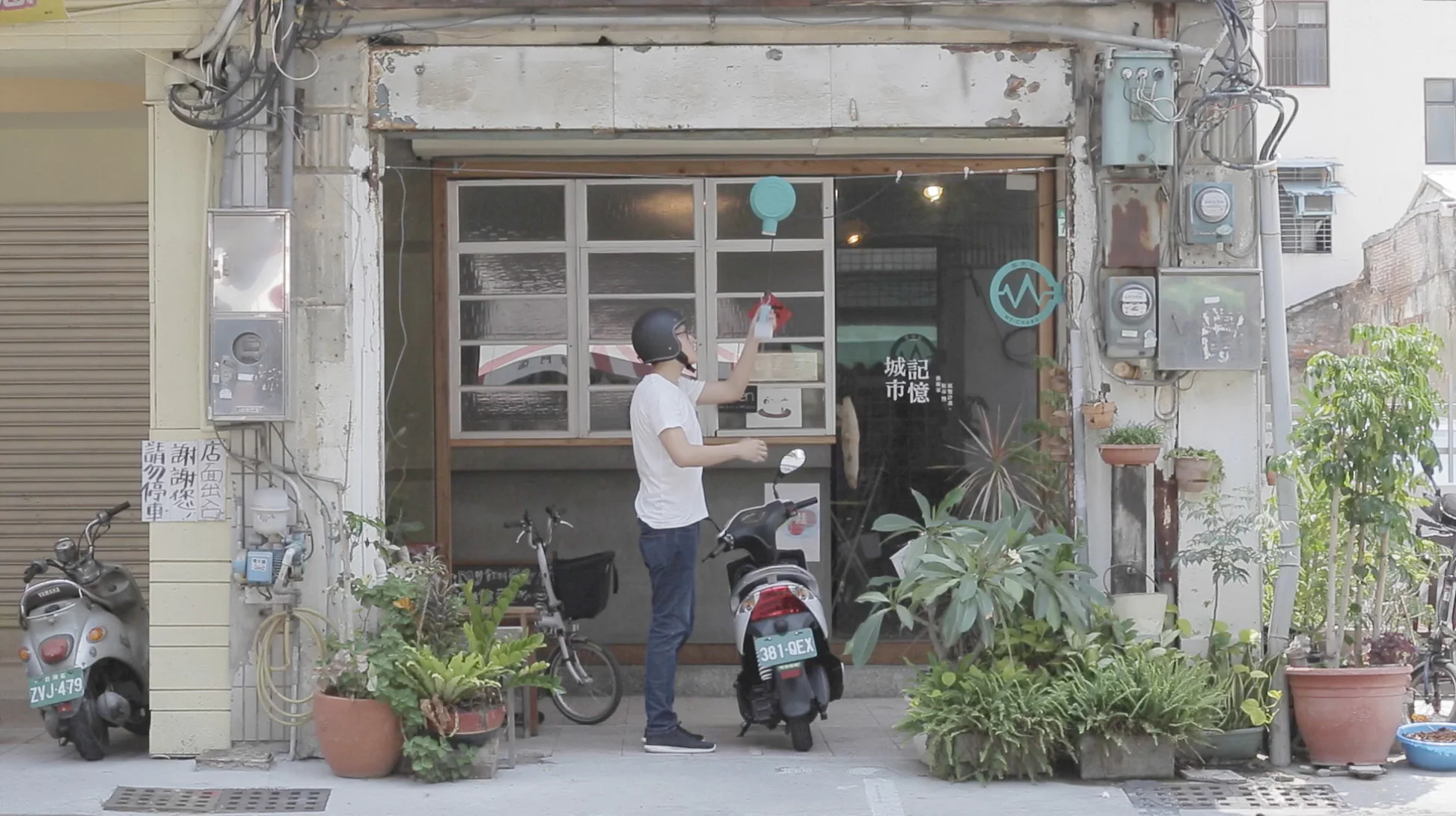
This is a project from  Yu-Lin Chen, A recent graduate from the Royal College of Art.  

This project tackles the problem of pollution in a unique way for a design student. By creating a universal charging system for electric scooters using existing networks and structures, he tackles the problem with an eye on the Macro and the Micro scale. 

This kind of systems thinking is very attractive to me because I believe it is vitally important when scaling up an idea for mass use as well as testing whether an idea is viable and possible. 

As designers I believe that it is important to be aware of the context we are designing within. This means we need to have an understanding of how things are made, we need to scope out the social economic and environmental implications of our work .  

This kind of project demands a structured and detailed approach which draws on the skills and knowledge of others.  

I am interested in the processes of design and how to break down a large challenge like pollution into a focused suggestion for a solution.

All images come from http://www.yulinchen.org/we-charge

A model to be updated

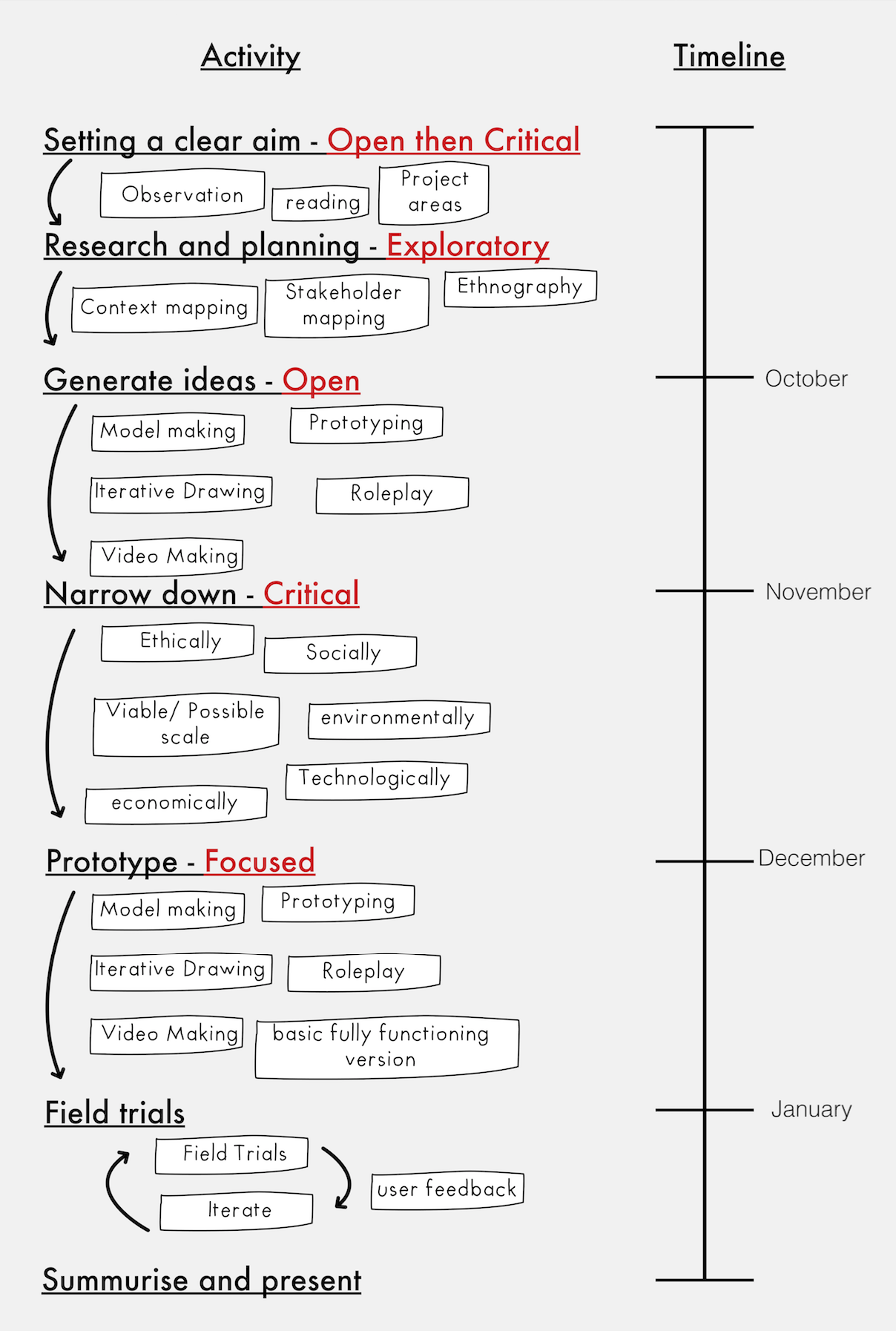
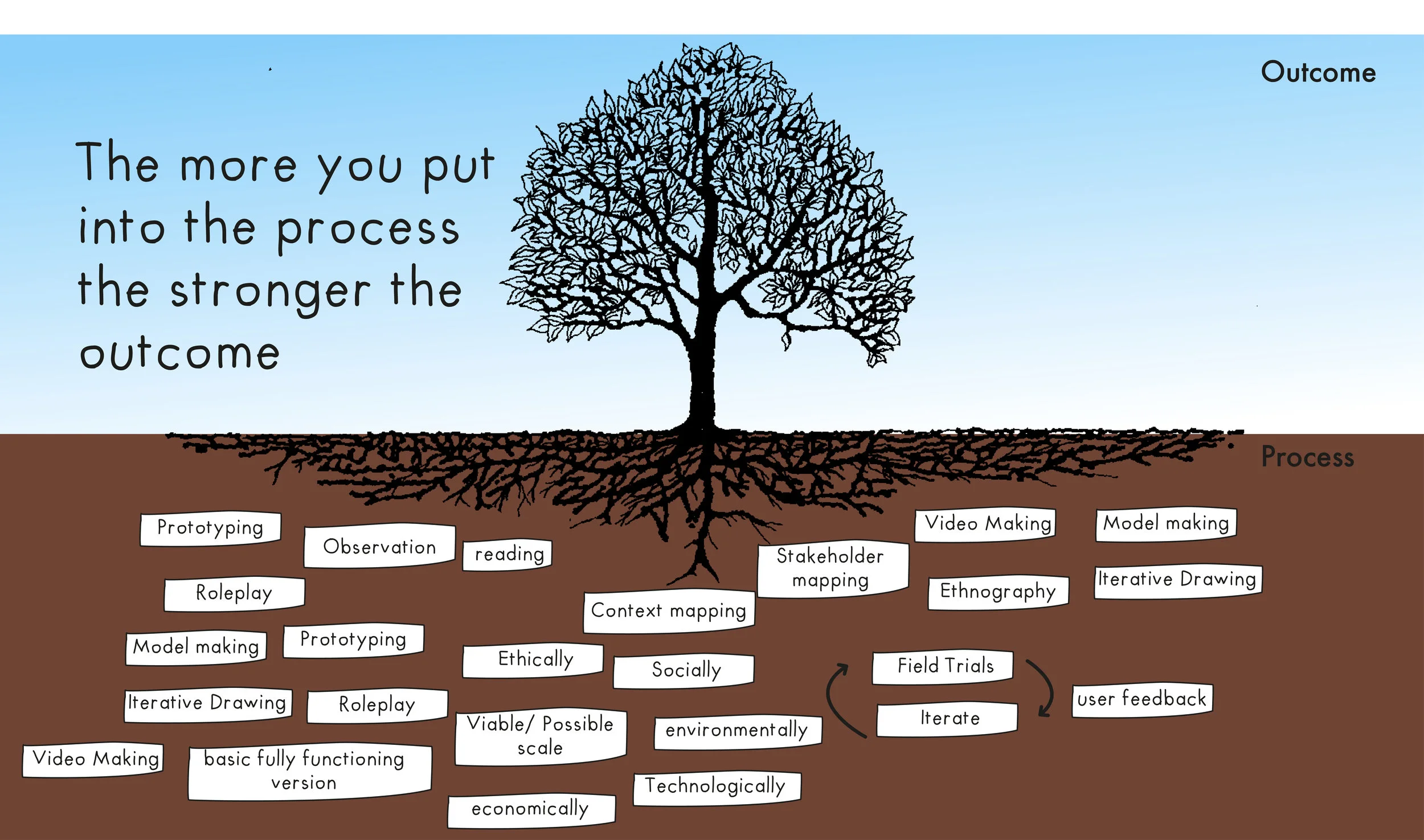
This project model has been informed from my experience at Mind (the mental health charity) and suggests a few activities to try at different times of the year.  I plan to continually update this throughout the year, tracking my progress as I go.


In the same way that strong broad roots will stabilise a tree, a strong broad set of processes will stabilise a design project.

The outcome is more likely to be successful.  

Screen Shot 2016-10-02 at 3.26.15 pm.png

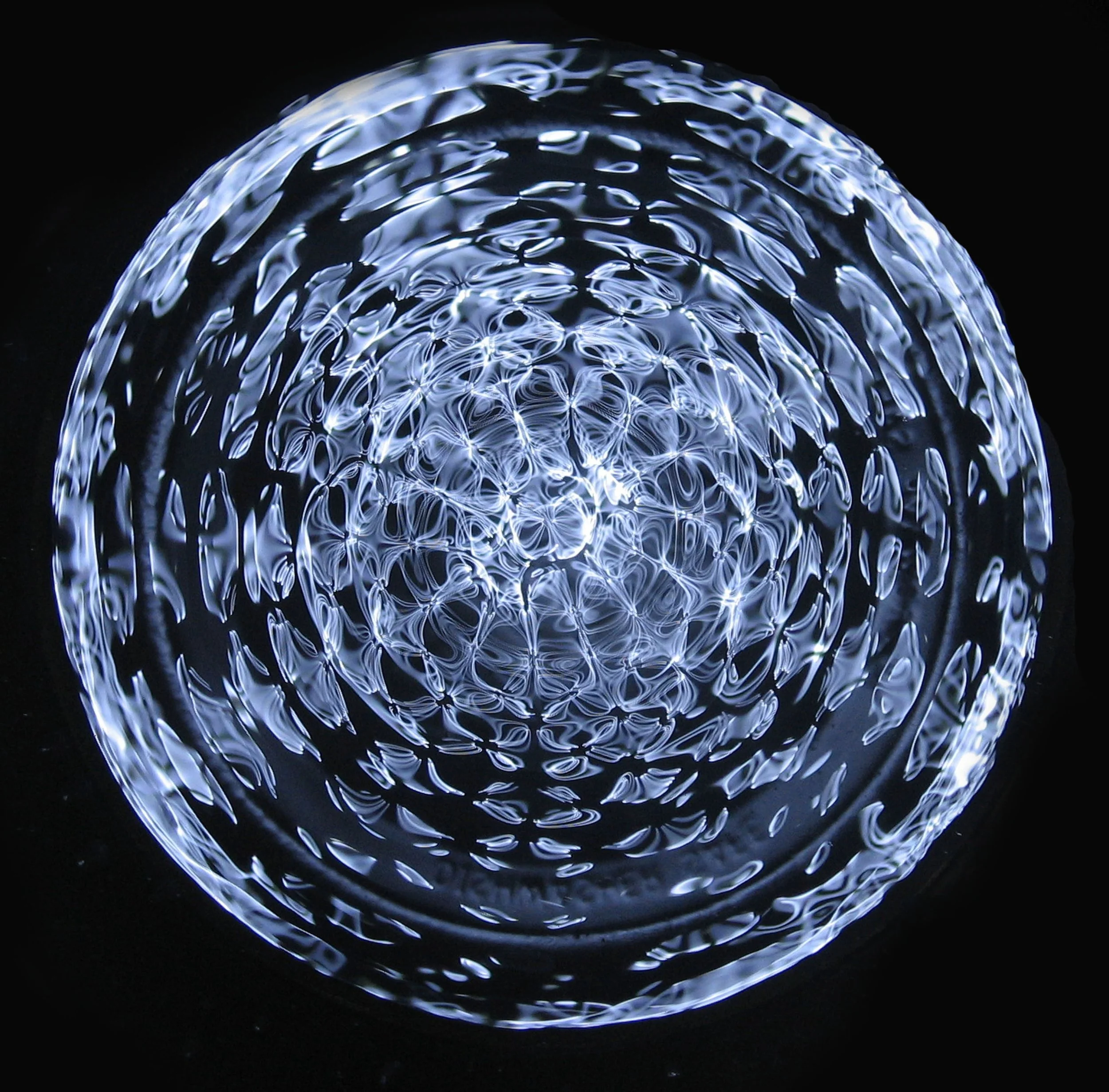
Sound is wasted

http://thevirtualinstructor.com/blog/cymatics-the-art-of-sound

http://thevirtualinstructor.com/blog/cymatics-the-art-of-sound

Can one collect sound and store its energy in the form of electricity? Is sound the next new energy source which will be embedded into all of our every day products, architectures and infrastructures ?

Revolution by design

Normal
0


false
false
false

EN-US
JA
X-NONE


 <w:LatentStyles DefLockedState="false" DefUnhideWhenUsed="true"
DefSemiHidden="true" DefQFormat="false" DefPriority="99"
LatentStyleCount="276">…

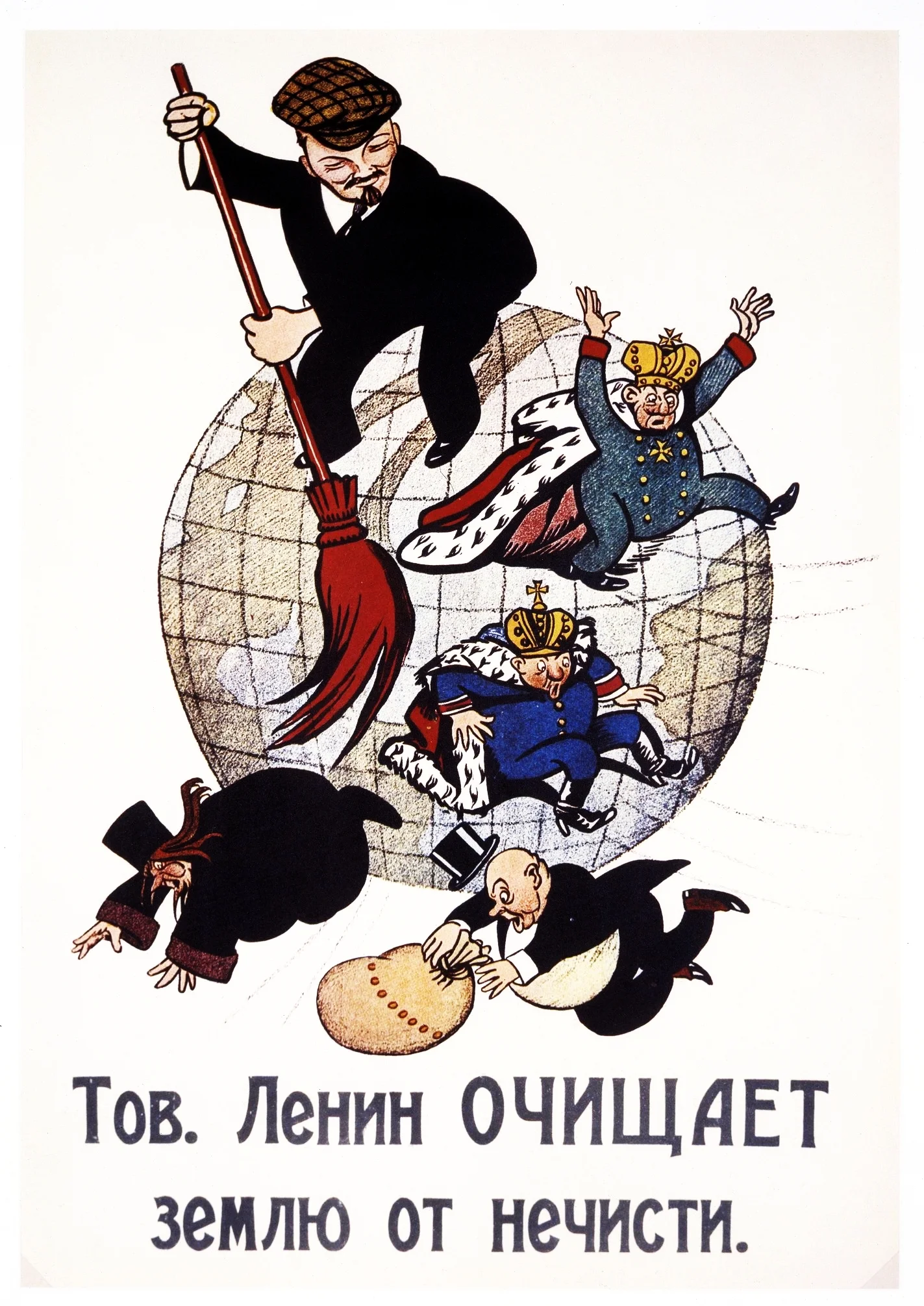
Comrade Lenin sweeps the world of the unclean (1920) poster by Mikhail Cheremnykh

To create something new you have get rid of the old. Destry old architecture and monuments and then erect new ones in their place.

After the October revolution in 1917 these sorts of changes were seen in many areas of daily life from Communal living, to sculpture and architecture and film making.  These new designs reflected and enforced new ideals.

In architecture Iakov Chernikhov's radical speculative constructivism

In art Zakimir Malevich's new ways of seeing, and abstraction 

In Film Sergei Eisenstein and Vsevolod Pudovkin pioneer montage and doccument the revolution

In sculpture Vladimir Tatlin creates a monument for the third international (1920)

I am interested in how a new set of ideals can be enforced through design.

I take the October revolution as my Historical contextual basis for this exploration. 

E-waste or E-opportunity

I took apart an old and broken radio because I was wondering how its constructed and if it would be possible to fix

I found that the whole radio was not broken, just specific parts.  I realised that we throw away the whole electronic device when something breaks, but there are many components which are perfectly reusable.  

I am aware that much has been done in this field to date with the increase in awareness of the harm our waste is doing to the planet, but I wanted to see for myself what exactly we were throwing away when we got rid of the old radio.

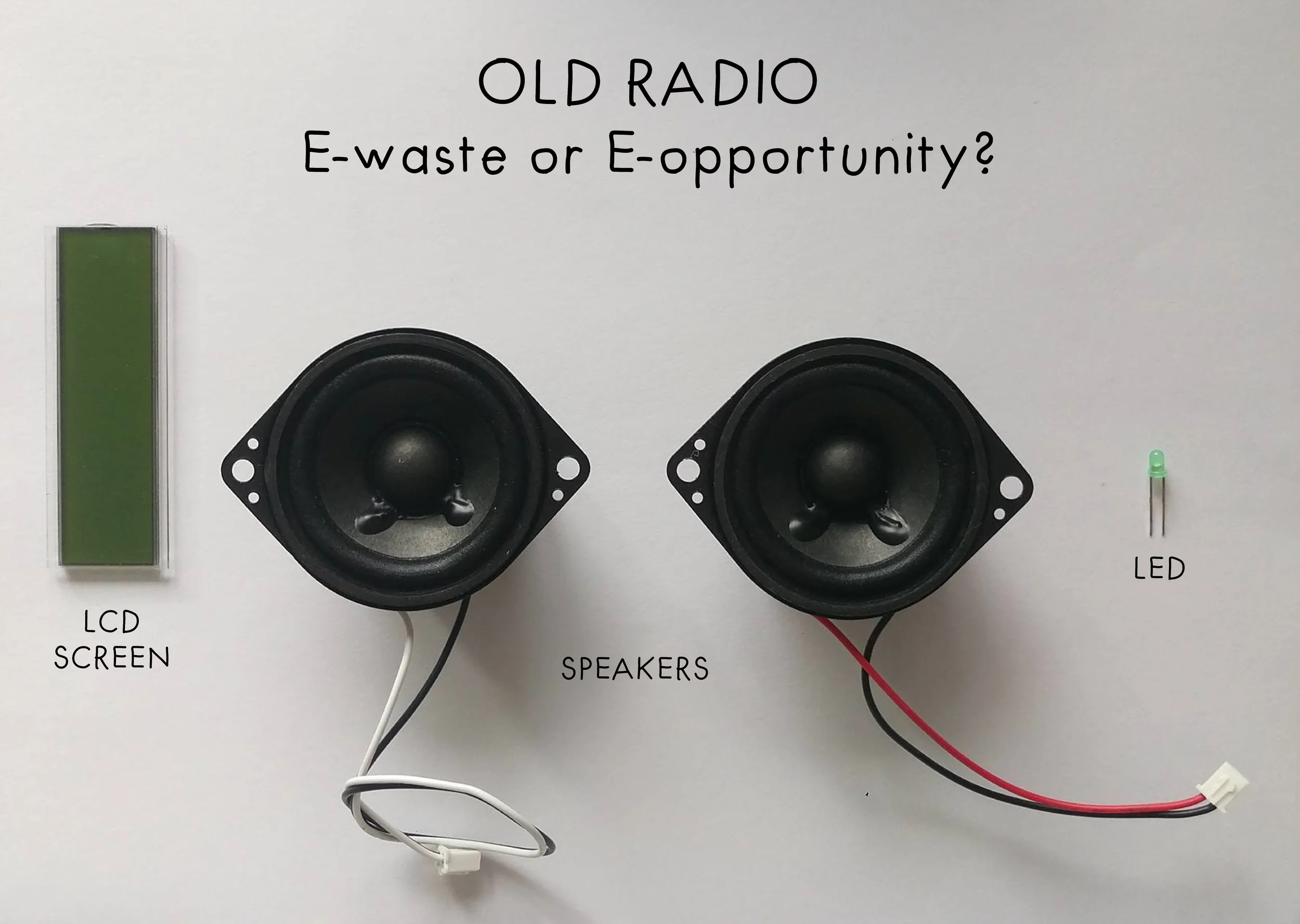
I found speakers, a working LED screen and an LED bulb.

Recent projects which adress this issue specifically are.

 Dave Hakkens with Phone blocks (and project Ara) and Precious plastic.  

This is one potential starting point for my third year project and would allow me to take things apart, and get involved in the discussion about the human production of waste.  I could relate this to how we design things with the full lifecycle of an object or artefact into account, from concept to throwing it away at the end of its use. 

Closed loops 

Cradle to cradle